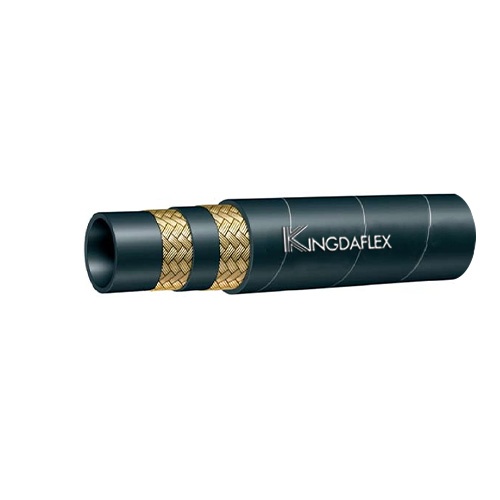
Hydraulic hoses used in heavy machinery must match pressure, temperature, fluid type, and working conditions. A suitable hose can handle pressure levels of 3,000–5,000 psi, withstand repeated bending cycles, and maintain stable performance for thousands of operating hours. Selection depends on SAE specifications, reinforcement layers, inner tube materials, flow requirements, and environmental exposure.
Heavy machinery relies on hydraulic systems to transfer power between pumps, valves, cylinders, and motors. Excavators, wheel loaders, mining trucks, agricultural machines, and industrial vehicles often operate under high pressure and frequent movement. A hydraulic hose failure can stop equipment operation immediately, making correct hose selection important for maintenance planning.
Most hydraulic systems used in construction equipment work between 3,000 psi and 5,000 psi. Some specialized machines, such as mining equipment and hydraulic breakers, may require hoses rated above 6,000 psi. The hose working pressure should always match the maximum system pressure, including temporary pressure increases caused by fast valve changes or sudden load changes.
Hydraulic hose selection should consider the highest pressure reached during operation, not only the normal pressure shown on the machine display.
SAE J517, ISO 18752, and related standards define many hydraulic hose requirements, including pressure ratings, dimensions, and performance tests. For example, SAE 100R2 hoses with two layers of steel wire reinforcement are widely used in construction machinery because they provide a balance between flexibility and pressure resistance.
| Hose Type | Reinforcement Structure | Typical Working Pressure | Common Equipment |
|---|---|---|---|
| SAE 100R1 | Single wire braid | Around 3,000 psi | Small loaders, agricultural machines |
| SAE 100R2 | Two wire braid | Around 4,000 psi | Excavators, cranes, loaders |
| SAE 100R12 | Four spiral layers | Around 4,000 psi | Heavy construction equipment |
| SAE 100R13/R15 | Multiple spiral layers | 5,000 psi or higher | Mining and high-pressure systems |
Pressure capability is only one part of hose selection because mechanical conditions affect service life. Heavy machines often create repeated vibration, sharp bending, and contact with metal surfaces. A hose installed near moving joints may experience thousands of bending cycles every working day, increasing wear on the outer cover and reinforcement layers.
The hose structure normally contains three parts: the inner tube, reinforcement layer, and outer cover. The inner tube contacts hydraulic fluid, the reinforcement carries pressure, and the outer cover protects against abrasion, weather, and external impact.
For applications involving frequent movement, flexible braided hoses are often preferred. Spiral-wire hoses are selected when equipment produces high pressure pulses, such as hydraulic breakers or large excavator attachments. The reinforcement design must match both pressure requirements and movement frequency.
The material inside the hose also affects performance. Hydraulic systems may use mineral oil, synthetic fluids, biodegradable oils, or water-based fluids. A hose material that works well with one fluid may deteriorate when exposed to another type.
Common inner tube materials include:
| Material | Fluid Compatibility | Operating Features |
|---|---|---|
| Nitrile rubber (NBR) | Mineral hydraulic oil | Common industrial use |
| Synthetic rubber | High-temperature fluids | Better heat resistance |
| EPDM rubber | Water-based fluids | Suitable for special fluids |
Temperature conditions should be checked before installation. Most hydraulic hoses operate between -40°C and +100°C, while some high-temperature products can handle approximately 135°C. Machines working near engines, furnaces, or outdoor winter environments require hoses designed for wider temperature ranges.
Low temperatures reduce rubber flexibility. When temperatures fall below -30°C, some standard hose materials become harder and may crack during sharp bending. Equipment used in cold regions, including forestry and mining machines, usually requires low-temperature tested hoses.
Flow capacity is another factor because hose diameter affects hydraulic efficiency. A hose that is too small increases fluid speed and pressure loss, while an oversized hose may increase cost and installation space requirements.
For example, a hydraulic line carrying 100 L/min requires a larger internal diameter than a line carrying 30 L/min. Many hydraulic engineers maintain pressure-line flow speeds around 3–5 m/s to reduce heat generation and energy loss.
The correct diameter also helps maintain stable operation of hydraulic components. Pumps, valves, and cylinders depend on consistent oil flow, so hose sizing should be based on both flow rate and pressure requirements.
Installation conditions often determine whether a hose reaches its expected service life. Construction machines frequently operate in environments with dust, rocks, mud, and metal surfaces. Abrasion damage is one of the common reasons for hydraulic hose replacement.
Proper installation practices include:
-
Maintaining the recommended minimum bending radius.
-
Avoiding hose twisting during assembly.
-
Using protective sleeves in high-wear areas.
-
Keeping hoses away from sharp edges and moving parts.
-
Checking fittings for correct connection and alignment.
A hose bent below its recommended radius may suffer faster reinforcement fatigue. Field studies from equipment maintenance programs have shown that incorrect installation can reduce hose service life by more than 50% compared with properly installed assemblies.
For industrial applications, selecting reliable hydraulic hoses for industrial equipment requires evaluating pressure, temperature, fluid compatibility, and mechanical conditions together. Industrial systems may run continuously for long periods, so hose quality directly affects maintenance intervals and equipment availability.
Abrasion resistance is especially important in industries such as mining, agriculture, and material handling. External covers are designed with different rubber compounds to resist oil exposure, sunlight, ozone, and physical contact. A hose used outdoors for 10 hours per day requires different protection compared with one installed inside a controlled factory environment.
Environmental factors can change hose performance over time. Ultraviolet exposure can harden rubber surfaces, while chemical contact may weaken the cover material. Regular inspection helps identify early signs such as cracks, swelling, leakage, or surface damage.
Hydraulic hose testing includes pressure tests, impulse tests, dimensional checks, and material evaluations. Some heavy-duty hoses are tested for hundreds of thousands of pressure cycles to confirm durability under repeated operation.
A hose rated for heavy machinery should maintain pressure performance after repeated cycles, not only during a new product inspection.
Cost comparison should include maintenance frequency and equipment downtime. A low-cost hose may require more frequent replacement if it cannot handle pressure spikes, vibration, or environmental exposure. In large machines, replacing a failed hose may involve labor, oil replacement, cleaning, and several hours of lost operation.
A practical selection process usually follows several steps:
-
Check maximum operating pressure and pressure spikes.
-
Confirm hydraulic fluid type and temperature range.
-
Select reinforcement structure according to machine movement.
-
Match hose diameter with required flow rate.
-
Review bending radius and installation position.
-
Select cover material based on working environment.
-
Confirm compliance with recognized industry standards.
Maintenance records from heavy equipment fleets often show that proper hose selection reduces unexpected replacements and improves machine availability. In applications such as construction, mining, agriculture, and industrial manufacturing, hydraulic hoses must provide stable performance under repeated pressure, movement, and environmental exposure.
Choosing the right hydraulic hose requires matching the hose design with the actual working conditions of the machine. Pressure rating, material selection, size, reinforcement, and installation quality together determine how reliably the hydraulic system operates over long service periods.